

From Loden to Lace: An Alpine–Adriatic Handcrafted Journey
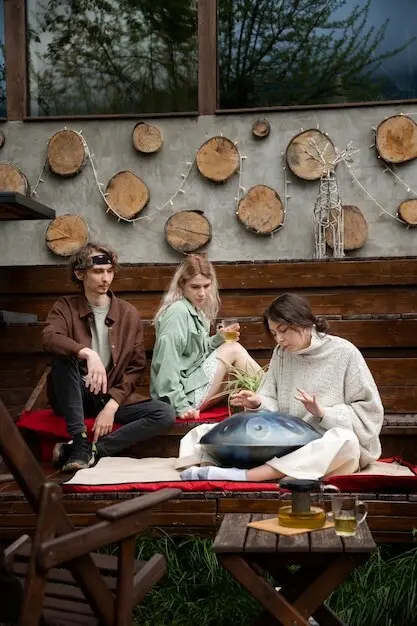
Join us on From Loden to Lace: Regional Materials and Techniques of Alpine-Adriatic Slowcraft, traveling from Tyrolean pastures and Carinthian fulling mills to Slovenian lace schools and Venetian islands. We celebrate wool made weatherproof by water and rhythm, bobbins dancing over pillows, plant dyes steeped patiently, and artisans who honor land and kin. Share questions, memories, and favorite pieces, and help map today’s quiet paths between mountain huts and harbors.

Wool Roads: Shepherds, Mills, and the Making of Loden

Across alpine meadows, sheep graze on herbs that perfume the fleece, while rivers power ancient hammers beating warmth and resilience into dense, rain-shedding cloth. We follow the journey of wool through sorting, scouring, carding, spinning, weaving, and fulling, guided by generations who learned to read weather in clouds and fabric. Their patience shapes garments built for storms, markets, and mountain songs.

Threads of Light: The Delicate Worlds of Idrija and Burano Lace

Bobbin lace carries whispers of streets where wood taps softly and windowsill pillows glow at dusk. In Idrija, patterns travel through families like heirloom recipes; in Burano, nimble hands stitch histories between canals and bright facades. We honor designs shaped by need, pride, and festivals, where counting, tension, and breath align. Every crossing records time, devotion, and shared delight.

Pillow, Bobbins, Patience

A firm pillow, pricked parchment, and smooth bobbins become a portable studio where hands read pathways of pins as though navigating constellations. Threads cross and twist, forming cloth only visible when you pause and lift it to light. Silence escorts concentration; tea cools nearby; a radio murmurs. The rhythm becomes a heartbeat, guiding tension, sympathy, and resilient grace into lace.

Idrija Stories in Knots

Idrija’s schools preserved techniques through wars, closures, and reopenings, teaching tallies, cloth stitch, half stitch, and decorative gimps. A grandmother recalls hiding bobbins during shortages, then reuniting with them like old friends. Today’s students adapt motifs to collars, cuffs, jewelry, and framed art, keeping continuity alive. Each piece holds local cadence—precise, lyrical, and quietly proud of meticulous origins.

Fields to Fiber: Flax, Hemp, and Nettle Across the Valleys

Before factories, villages grew clothing in rows of blue flax blossoms, tall hemp stalks, and stingless nettle ready after retting. Communities timed planting to snowfall and harvest to river warmth, then gathered to break, scutch, and heckle fibers into silky ribbons. Spinners coaxed strong threads for workwear and table linen alike, embedding landscapes into everyday cloth with measured, durable elegance.

Walnut, Alder, and Iron

Cracked walnut hulls stain fingers before enriching wool with earthy permanence. Alder cones lend smoky brown; iron modifiers shift bronze to shadowed olive. Each bath respects balance among time, temperature, and mordant, because shortcuts yield disappointment. The best browns resemble weathered barns after rain, subtle yet confident. They partner with snow-lean grays and loden greens, anchoring palettes to forest understory.

Indigo and Woad on the Border

A vat blooms with coppery sheen, then kisses yarn yellow-green before oxygen turns it miraculous blue. Indigo traveled trade routes; woad thrived closer to home, proving deep color can be local. Vat health becomes conversation: feed it gently, mind the pH, honor its moods. Dyers learn to listen for bubbles and trust the ritual that returns skies to cloth.

Tools That Teach Slowness: Looms, Cards, and Carved Bobbins

Simple tools invite hands to learn tempo. Four-shaft looms whisper logic through tie-ups and treadling; hand cards blend clouds into order; turned bobbins deliver precision to lace crossings. Each instrument rewards practice with audible, tactile feedback, replacing rush with breath. Repairs become rites of respect. Patina deepens, oiling cedar and ash, as craftspeople inherit, modify, and befriend their enduring companions.

The Four-Shaft Companion

Plain weave blossoms into twill, herringbone, and point drafts when shafts lift and sink like reliable friends. Sampling teaches more than charts: beat changes width, warp tension sculpts drape, and weft choices alter personality. Weavers keep pencils close, annotating treadlings that finally sing. A thread breaks, a temple steadies, and the cloth emerges honest, carrying the record of careful footsteps.

Hand Cards and Combs

Carders gently align fibers, creating rolags perfect for woolen loft, while combs favor worsted clarity, drafting shine into strong strands. The choice determines warmth, pilling, and suitability for weather. Muscles learn circular rhythm; wrists rest between passes; a small breeze lifts loose fibers like thistledown. The process cleans, blends, and calms, transforming raw chaos into promising, cooperative alignment.

Bobbins as Heirlooms

Lacers treasure bobbins etched with initials, dates, and blessings, sometimes in pear, sometimes in boxwood, occasionally strung with glass spangles to balance weight. A smooth neck preserves tension memory; a familiar click guides speed. Stories follow each tool: a market find, a dowry gift, a student’s first set. Touch translates mentorship across decades, continuing a quiet conversation between wood and thread.

Patterns Carry Place: Motifs, Meanings, and Memory

Motifs travel like dialects, shifting across passes yet staying legible at home. Edelweiss sprigs, chevrons, shepherd’s paths, and wavelets speak of altitude and tide, of feast days and survival. Patterns reference weather, fieldwork, or saints, embedding moral maps inside decoration. Reading them, we meet ancestors negotiating beauty and necessity, adapting borders but keeping heartbeat steady through stitch, shuttle, and gentle insistence.

Alpine Chevrons and Edelweiss

Chevrons echo ridgelines glimpsed from transhumance routes, while tiny edelweiss rosettes honor rare blooms protected by lore and law. On coats and blankets, these signs are not mere ornaments; they are declarations of belonging. Spacing determines boldness, yarn diameter shapes clarity, and finishing reveals intent. Wearers carry protection stories, the comfort of lineage, and small mountain horizons wherever they travel.

Adriatic Nets and Waves

Lace near the sea borrows geometry from fishing gear and lighthouse beams, translating knots to openwork that breathes. Repeating crescents suggest tides; narrow ladders remember moorings. When coastal wind rises, light filters through patterns like morning surf. Makers adapt scales for veils, cuffs, or framed panels, allowing homes inland to hold gentle reminders of gull calls and creaking boats.

Cross‑Border Samplers

A sampler stitched during a festival might carry Slovenian bobbin borders, Tyrolean twills, and Friulian color notes, proving culture thrives in conversation. Such cloths teach newcomers through touch, compressing libraries into portable squares. Annotated edges list drafts, counts, and fibers, inviting iteration rather than strict imitation. Shared at guilds and markets, they turn strangers into collaborators and travelers into caretakers.

Keeping Craft Alive: Makers, Markets, and Your Part

Slowcraft continues when communities choose it daily: buying traceable wool, commissioning repairable garments, enrolling in evening classes, and celebrating modest excellence. Small mills survive through steady orders, not holiday rushes. Artisans thrive when feedback arrives kindly and promptly. Share this journey, subscribe for studio notes, ask questions, and introduce local shepherds or lacemakers. Together, we keep useful beauty rooted and reachable.

01

Support the Flock and the Mill

Choose yarn labeled with farm and breed, pay fairly for fulling, and applaud seasonal realities when colors shift slightly. Visit open days, bring friends, and photograph respectfully. Post experiences with clear credits so neighbors can find makers. Each purchase becomes a vote for resilient landscapes, healthy animals, and intergenerational skill. Small invoices, paid on time, protect big, irreplaceable relationships.

02

Learn, Mend, and Share

Enroll in beginner workshops, practice ten minutes daily, and assemble a modest kit: needles, awl, darning mushroom, gentle soap. Celebrate patches like medals of perseverance, telling the story of that hike, that market day, that near-miss with a bramble. Host swap nights, exchange remnant yarns, and trade stitch tips. The most sustainable wardrobe blooms from careful hands and cheerful community.

03

Write Back and Walk With Us

Tell us which valley beckons next, which tool puzzles you, or which family piece deserves a second life. Share photos, voice notes, and questions; we’ll reply with patterns, timelines, and contacts. Subscribe for monthly field letters and workshop maps. If you pass a millstone or lace pillow in the wild, send coordinates. Our shared map grows by conversation and footsteps.

Laxiveltozento
Privacy Overview

This website uses cookies so that we can provide you with the best user experience possible. Cookie information is stored in your browser and performs functions such as recognising you when you return to our website and helping our team to understand which sections of the website you find most interesting and useful.