
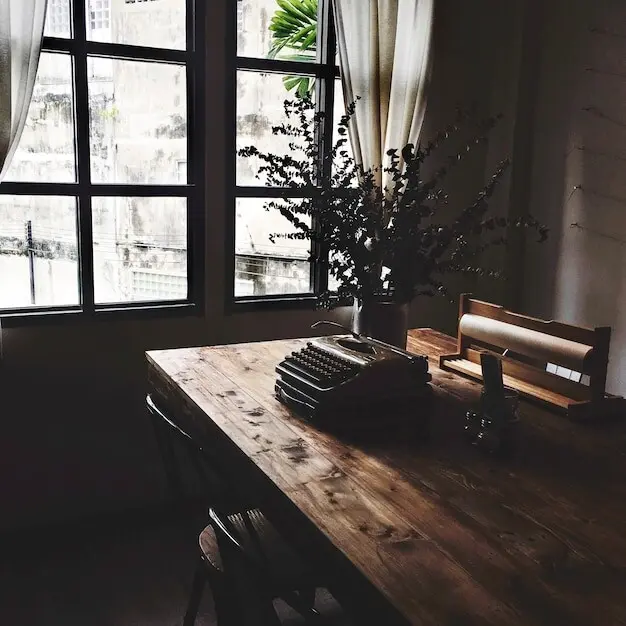
From Snowline to Salt Spray: Makers Shaping the Alps-to-Adriatic

Step into a living corridor from ice-touched passes to sunlit coves, where skill is weathered like larch and bright as salt. Our journey, Artisans of the Alps-to-Adriatic: Portraits of Makers and Their Workshops, follows voices, tools, and places, revealing how landscape becomes livelihood, and how small rooms, big skies, and patient hands carry culture forward, one useful, beautiful object at a time.

Where Stone Meets Salt Air

Villages Threaded Through High Valleys

Timbered houses press close against winter, and workshops glow like lanterns where chisels ring after dusk. In these elevations, routines are measured by thaw and haymaking, so precision matters. A miscut beam or careless joint once meant a draft or danger. That memory endures, shaping furniture, sleds, and carvings that serve both survival and celebration with quiet, lasting grace.

On the Karst, Everything Starts With Stone

The plateau breathes through fissures, and the bora teaches humility with sudden force. Limestone floors, walls, and lintels inform a maker’s rhythm, from stonecutters carving thresholds to charcutiers curing pršut in dry, perfumed air. Even tool racks feel geological, anchored to rock. Each completed piece carries wind, mineral, and patience, remembering caves, terraces, and the long whistle of winter.

Harbors That Teach Timber to Float

Along patient quays, hulls grow like seedlings, frame by frame, under gulls and gossip. Boatbuilders learn from swells and scars, reading knots the way sailors read clouds. Nets dry on poles, tar warms in pans, and oak ribs sip brine. Here, craftsmanship negotiates with tide and time, turning forests and forges into companions for currents that never stop moving.

Larch, Spruce, and the Grain of Patient Winters

High forests grow narrow rings that make tools sing differently. Carvers note how spruce planes into ribbons and how larch announces its stubborn heart with sparks at the blade. Coopering staves becomes a dialogue with moisture and memory, while sled runners demand heat, water, and confident bending. Each shaving on the floor is a sentence written in weather and height.

Limestone, Lime, and the Mosaicist’s Bright Grammar

In studios near Spilimbergo, tiny tesserae turn into stories. Cutting nippers click like syllables, arranging stone, glass, and smalto into surfaces that glimmer like riverbeds. Under hands trained to read color and grout, maps, saints, and seascapes assemble. Floors and facades learn to speak to sunlight differently, reminding passersby that texture is a language, and patience is punctuation.

Hands That Translate Landscape Into Use
Makers here are not mere keepers of nostalgia; they are citizens of now, borrowing courage from ancestors and ingenuity from neighbors. Their stories cross passes and borders, stitched by markets, marriages, and migrations. Portraits reveal habits—careful measuring, coffee-strong mornings, repaired aprons—and values that insist beauty belongs in everyday objects, where touch, trust, and utility meet like friends around a warm table.

Erika of Val Gardena Carves Saints and Storms

Her knives move as if following thunderheads, pausing where light should rest on a cheekbone or sleeve. Raised among woodchips and catechisms, she learned to balance reverence with observation, turning larch and limewood into figures that watch over kitchens and chapels. When Erika signs the base, she thanks the mountain for teaching restraint, and the village choir for teaching breath.

Matej of Idrija Twists Light Into Lace

Bobbin by bobbin, he builds air into pattern. His grandmother’s pillow still guides tension while modern threads test new possibilities. Tourists marvel at fineness, but locals know the secret is counting, listening, waiting. Idrija’s mines once shaped families’ hours; now lace catalogs that patience. Matej smiles, pins another curve, and tells visiting students that steadiness, not speed, unlocks intricacy.

Giulia of Izola Measures the Wind in Oak

She keeps a notebook of tides beside her mallet, sketching ribs as if charting constellations. Apprenticed under a taciturn maestro, she learned when to coax and when to command a plank. Launch days bring tears, jokes, and an anxious quiet. As the hull kisses water, Giulia breathes with the swell, hearing every lesson the Adriatic ever whispered about balance.

The Sound of Tools, the Scent of Cured Air
Craft is multisensory here. You hear planers hush across boards, chisels argue rhythmically, looms heartbeat through rooms, and bells test echoes against ridgelines. You smell lemon on fresh varnish, hay in warm milk, smoke in cellar rafters. These impressions anchor memory more firmly than lists, convincing travelers to become patrons, and neighbors to become storytellers for generations to come.

Keeping the Fire and the River Flowing
Tradition here is not taxidermied; it is tended like embers and canals. Masters teach beyond techniques, modeling fairness in pricing, pride in repair, and generosity in sharing resources. Newcomers bring photography, websites, better lighting, and courage to say no when speed threatens integrity. Both currents meet, renewing the course without dredging away what made it navigable in the first place.

Paths for Curious Visitors

If you come, come gently. This corridor rewards sauntering, not sprinting. Take trains that climb slowly, buses that linger in valleys, and ferries that understand pauses. Call ahead, bring cash, and pack patience alongside curiosity. You will leave with more than souvenirs—gestures, smells, stories—capable of guiding future choices toward objects that serve daily life rather than decorative dust.
Laxiveltozento
Privacy Overview

This website uses cookies so that we can provide you with the best user experience possible. Cookie information is stored in your browser and performs functions such as recognising you when you return to our website and helping our team to understand which sections of the website you find most interesting and useful.